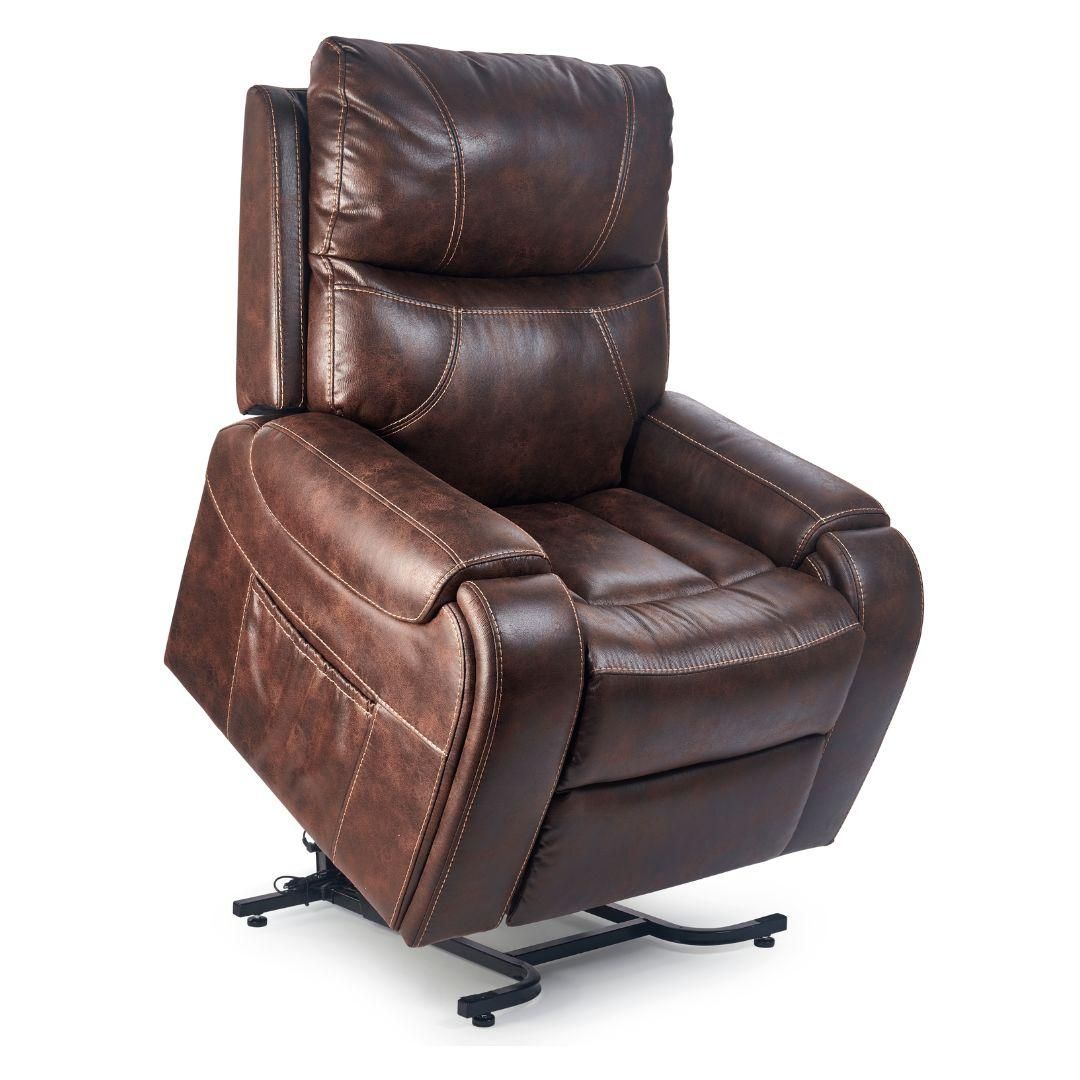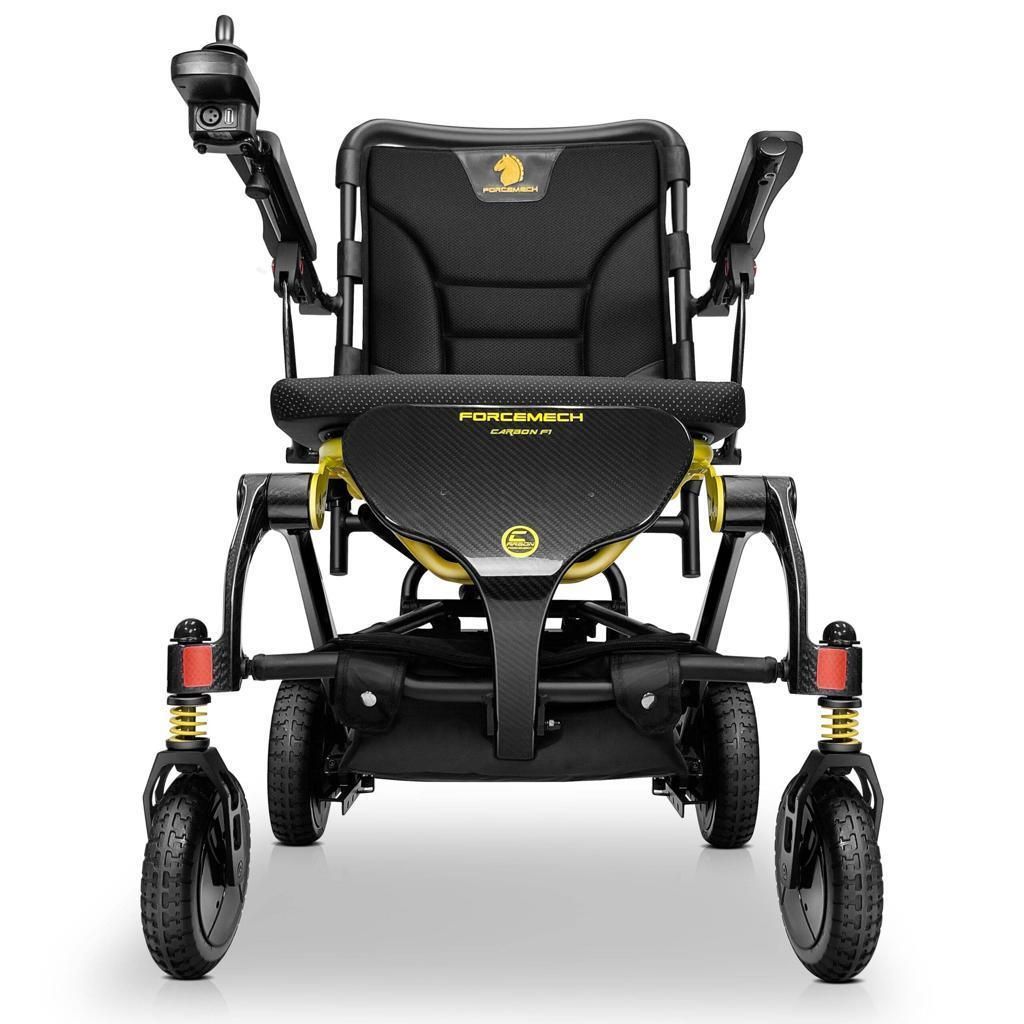
Choosing the right wheelchair is a critical decision that influences the quality of life for individuals with mobility challenges. With such a wide variety of wheelchairs available today, it's essential to consider several key factors to ensure comfort, usability, and long-term satisfaction. The right selection can significantly enhance mobility, independence, and overall well-being. Each person's needs are unique, and the chair should be tailored to fit personal circumstances and lifestyle. This article guides you through the main aspects to consider when selecting from modern wheelchairs.
1. Assessing Your Specific Needs
Determine Mobility Level
The first step in choosing a mobility aid is understanding your physical capabilities. This involves evaluating how much physical assistance you require, whether from a caregiver or through technological aids. A thorough assessment will help determine if a manual or powered chair is more appropriate. It's also important to consider future changes in mobility that might affect your decision. Consulting with healthcare providers can provide a clearer picture of your current and potential future needs.
Evaluate Physical Conditions
Recognizing specific physical conditions is crucial for selecting a suitable seating system. Conditions such as scoliosis, muscular dystrophy, or amputations may necessitate certain adaptations or supports in the chair design. The chair should accommodate any asymmetries or unique physical characteristics to enhance comfort and support. It's important to consider factors such as pressure relief to prevent long-term complications and skin issues. Personalized measurements and adjustments are essential to find the best fit for your body.
Consider Lifestyle Requirements
Evaluate how your daily activities will impact your mobility needs. If you're frequently outdoors, the chair should accommodate different terrains like grass, gravel, or pavement. For those who work or attend school, a lightweight, easily maneuverable chair might be essential for navigating tight spaces. Additionally, consider how the chair will fit into your daily routines, such as cooking, shopping, or social activities. The right selection should support a seamless integration into your lifestyle, enhancing independence and ease of use.
Assess Transportation Needs
Transportation considerations are vital when selecting mobility equipment. Assess portability, especially if you plan to travel frequently or require transport to medical appointments, work, and social events. Look for features like foldability or quick-release wheels that facilitate easy loading into vehicles. Ensure that the chair will be compatible with public transportation, including buses and trains, considering that at least 60% of public entrances in newly constructed facilities must be accessible according to the ADA National Network. This consideration will influence whether you choose a manual or powered option, as some powered models can be cumbersome and require special transport accommodations.
Consult Healthcare Professionals
Consulting with healthcare professionals can provide valuable insights into your equipment requirements. Occupational therapists, physiotherapists, and rehabilitation specialists offer expert guidance tailored to your health conditions. They can perform a thorough assessment, considering your long-term health goals and mobility challenges. This professional input ensures that your choice supports your health needs and contributes to overall well-being. Collaboration with healthcare providers often results in better outcomes and satisfaction with your eventual selection.
2. Manual vs. Powered Wheelchairs
Understanding Manual Wheelchairs
Manual wheelchairs are a traditional option that many individuals choose for their simplicity and ease of use. They require upper body strength or assistance from a caregiver, which is an important consideration for long-term use. These chairs are generally lighter, easier to transport, and often cost less than powered alternatives. They come in various designs, including sports models, lightweight versions, and standard models for everyday use. Individuals should carefully evaluate their physical capacity to self-propel these wheelchairs over time.
Exploring Powered Wheelchairs
Powered wheelchairs offer a higher degree of independence for users who have difficulty with manual propulsion. They are equipped with advanced features such as joystick controls, customizable settings, and various speed modes. On the downside, they require regular maintenance and battery charging, which can be a consideration for active individuals. Despite the initial and maintenance costs, many appreciate the freedom and ease that come with powered options. Powered wheelchairs are ideal for individuals with limited upper body strength or specific medical conditions.
Considering Energy Expenditure
Energy expenditure is a critical factor in deciding between manual and electric wheelchairs. Manual options require significant physical effort, which can be limiting for those with reduced stamina or energy levels. Conversely, powered models offer mobility without physical exertion, conserving energy for other crucial daily activities. Users must weigh their ability to navigate various settings, both indoor and outdoor, with the required energy investment. Personal endurance levels and daily activity requirements should guide the decision on whether to pursue a manual or powered option. Align your choice with energy conservation, enhancing your active participation in daily life.
Doing Maintenance and Upkeep
Understanding the maintenance requirements of your chosen equipment is vital for long-term usability. Manual wheelchairs typically need less maintenance but require regular checks for tire inflation and brake efficiency. Powered models, while offering advanced features, might present more complex maintenance needs, like battery checks and lubricating moving parts. Ensure you have access to necessary resources or professionals who can assist with repairs and maintenance. Regular upkeep is essential to ensure safety and prolong the lifespan of your equipment.
Understanding Cost Implications
It's essential to understand the cost implications associated with both manual and motorized wheelchairs. While manual options generally have lower upfront costs, powered wheelchairs often come with higher initial prices due to their complex features. Consider the long-term expenses related to each type, including maintenance, parts replacement, and battery replacement for powered models. Whether choosing manual or powered, it's crucial to balance cost considerations with the benefits each type offers in terms of mobility and independence. Financial planning and potential insurance coverage can help mitigate these costs and support your purchase decision.
3. Wheelchair Sizing and Fit
Assessing Proper Fit
A well-fitted chair is essential for comfort and health, ensuring safety and preventing secondary complications. Proper fit reduces the risk of pressure sores and musculoskeletal problems, supporting optimal posture. Discomfort from a poorly fitted seat can significantly impact quality of life, limiting activity and causing additional health issues. Ensure adequate measurements are taken for seat width, depth, and back height to customize the fit to your body shape. Remember, properly fitted wheelchairs facilitate independence and overall well-being.
Measuring for Seat Width and Depth
Ensuring the seat size is appropriate for your body is crucial for both comfort and functionality. Seat width should accommodate your hips without causing pressure or hindering movement, while seat depth should support your thighs comfortably. Incorrect measurements can lead to discomfort, posture issues, and restricted circulation. Professional assessment and guidance provide insight into achieving a proper fit, avoiding potential pitfalls. Pay attention to any special needs, such as leg extension or footrest adjustments, to accommodate overall balance and stability.
Assessing Weight Capacity
Ensuring that the frame structure supports your weight comfortably is important for safety and functionality. Exceeding the recommended weight capacity can compromise structural integrity, leading to potential hazards and premature wear. Check the specifications of the chair to see if it can handle additional weight from items such as bags or specialized equipment. Understanding these limits can prevent accidents and maintain performance over time. Prioritize choosing equipment built to accommodate your weight, along with any extra load you plan to carry regularly.
Choosing the right equipment involves careful consideration of individual needs, environmental factors, and financial constraints. By thoroughly assessing these elements, you can make a decision that enhances mobility and improves overall quality of life. Tailor your selection to your specific requirements, whether opting for manual or powered versions, allowing a comfortable and satisfying experience. Considerations like fit, customization, terrain compatibility, and long-term financial planning are critical to ensure your chair supports your lifestyle. With informed planning, selecting from modern wheelchairs becomes an empowering decision that enhances independence and comfort with each use. Reach out to Texas Medical Supply today for more.