Choosing the right wheelchair involves more than selecting a seat with wheels. Different designs are made to support various mobility needs, physical abilities, environments, and daily routines. Some models are intended for short-term use, while others are designed for people who rely on mobility assistance throughout the day. Weight, posture, comfort, transportation, and the level of support needed can all influence the decision. Understanding the main categories can help individuals, caregivers, and families make more informed choices. According to the FDA, there are approximately 1,700 generic types of medical devices, demonstrating the broad range of equipment developed to address different healthcare needs. A wheelchair should be selected according to the user’s abilities, lifestyle, and recommendations from qualified healthcare professionals. With the right information, finding an appropriate mobility solution can become a more manageable process.
Understanding Manual Wheelchairs
Manual wheelchairs are designed to be moved by the user or pushed by a caregiver. They are among the most familiar mobility devices and are available in many sizes and configurations. A standard manual wheelchair usually includes two large rear wheels, smaller front casters, armrests, and a supportive seat. Some users move independently by pushing the rear wheels with their hands. Others depend on a caregiver to guide the chair safely. Manual wheelchair models may be useful for people who have sufficient upper-body strength and coordination. They are also commonly used for temporary mobility limitations after an injury or medical procedure. The best design depends on how often the chair will be used and how much assistance the user requires.
Exploring Transport Wheelchairs
Transport wheelchairs are lightweight models intended primarily for caregiver-assisted movement. They usually have smaller rear wheels that cannot be reached easily by the person sitting in the chair. Because of this design, a caregiver generally pushes the chair using handles attached to the back. Transport models are often easier to lift, fold, and place in a vehicle than heavier standard chairs. They can be useful for appointments, shopping trips, travel, and other short outings. A transport wheelchair may not be appropriate for someone who needs to move independently throughout the day. Before choosing one, users should consider the chair’s weight capacity, seat width, brakes, and folding design. These features can affect comfort, safety, and convenience during regular use.
Reviewing Lightweight Wheelchairs
Lightweight wheelchairs are designed to reduce the effort required for lifting and transportation. They may be constructed from materials such as aluminum or other durable lightweight metals. A lightweight wheelchair can be easier for caregivers to place in a car or carry up a small set of steps. Some users also find lighter frames easier to maneuver than traditional heavy models. These chairs are available with different wheel sizes, seat dimensions, and folding mechanisms. A lighter frame does not always mean that the chair provides less support or durability. However, users should still review the weight limit and frame specifications before purchasing. A healthcare provider or mobility specialist can help determine whether a lightweight design meets the user’s daily needs.
Considering Bariatric Wheelchairs
Bariatric wheelchairs are built to support individuals who require a higher weight capacity. They generally include reinforced frames, wider seats, stronger wheels, and additional structural support. A bariatric wheelchair should provide enough room for comfortable positioning without making movement difficult. Choosing a chair with the correct width can help reduce pressure and improve stability. Users should also consider the width of doorways, hallways, elevators, and vehicle entrances. A larger frame may not fit easily through every space in a home or public building. Weight capacity should never be estimated because exceeding the manufacturer’s limit can create safety risks. Proper measurements and professional guidance can help ensure that the chair is suitable for both the user and the surrounding environment.
Examining Reclining Wheelchairs
Reclining wheelchairs allow the backrest to move backward to provide additional positioning options. This feature may benefit users who need to change their posture during the day. Reclining designs can also provide support for people who have difficulty remaining upright for extended periods. Some models include adjustable leg rests that work with the reclining back to improve comfort. A reclining wheelchair may be useful for rest periods, pressure management, or certain medical needs. However, the chair must be adjusted correctly to prevent sliding or poor body alignment. Caregivers should receive instructions on how to operate the reclining mechanism safely. A qualified professional can help determine whether this type of chair is appropriate for the user’s condition and routine.
Reviewing Tilt-in-Space Wheelchairs
Tilt-in-space wheelchairs change the angle of the seat and back together while keeping the user’s body in a consistent position. This differs from a reclining design, which primarily changes the angle of the backrest. A tilt-in-space wheelchair may help users who need additional positioning support or pressure relief. It can also be helpful for individuals who have limited trunk control or difficulty shifting their weight independently. The tilt feature allows caregivers to adjust the user’s position without requiring a complete transfer. Proper positioning may support comfort during extended periods of sitting. These chairs can be heavier and more complex than basic manual models. Professional assessment is important to ensure that the seat dimensions and positioning features meet the user’s needs.
Understanding Power Wheelchairs
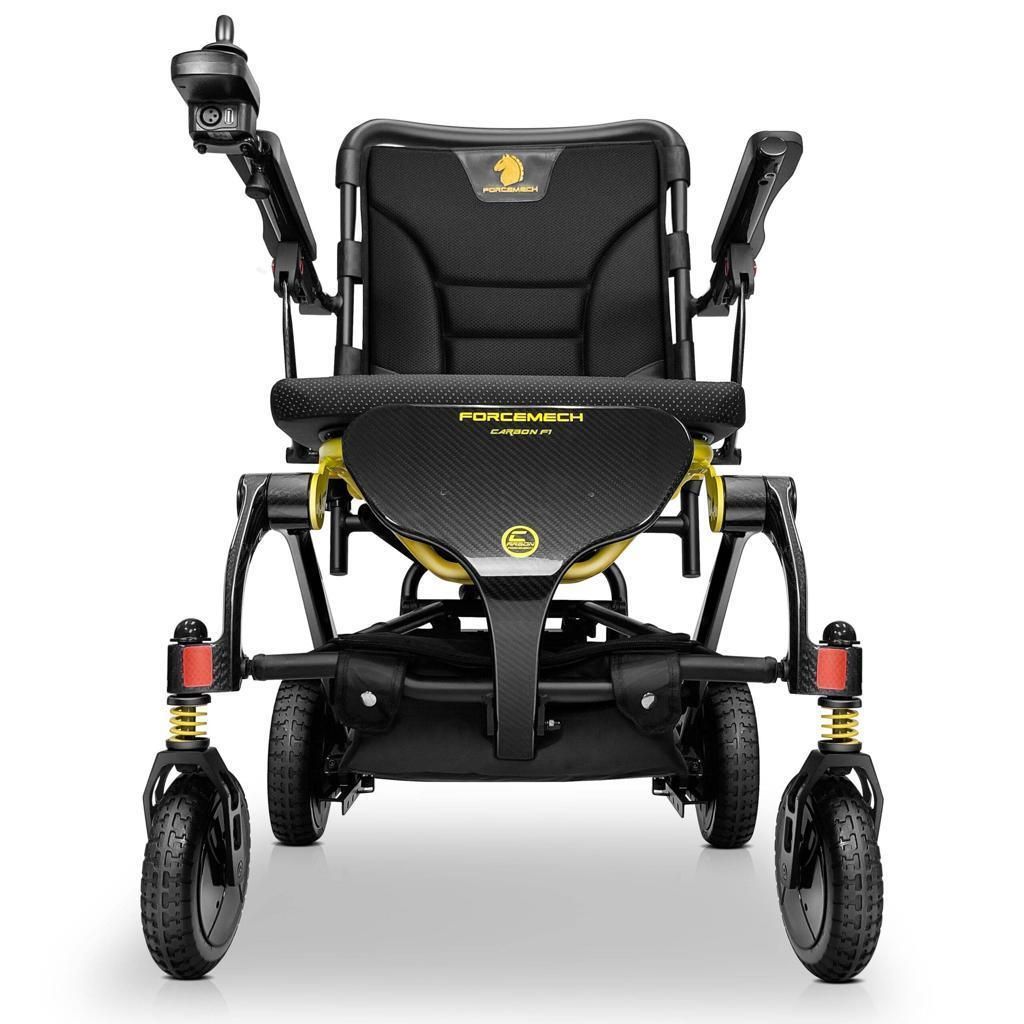
Power wheelchairs use a battery-powered motor instead of requiring the user or caregiver to push the chair manually. They are often selected by people who have limited upper-body strength or difficulty operating a manual model. A power wheelchair may be controlled through a joystick, buttons, or another specialized input device. Some models offer adjustable seating, tilt, recline, elevating leg rests, or standing features. Users should consider battery range, charging requirements, turning radius, and indoor maneuverability. Outdoor terrain and weather conditions may also affect which power model is appropriate. A wheelchair seating specialist can help determine the most suitable control system and support features. Training is necessary so the user can operate the device safely and confidently.
Exploring Pediatric Wheelchairs
Pediatric wheelchairs are designed for children and may include adjustable features to accommodate growth. These models often have smaller seat dimensions, supportive positioning components, and lightweight frames. A pediatric wheelchair should provide proper support while allowing the child to participate in school, recreation, and family activities. Adjustable footrests, back supports, and seat widths can help the chair remain useful as the child grows. Parents and caregivers should monitor fit regularly because children’s needs can change quickly. A wheelchair that is too large or too small may affect posture, comfort, and safe movement. Pediatric mobility equipment may also be coordinated with physical therapy or occupational therapy goals. Professional evaluations can help ensure that the chair supports both current mobility and future development.
The right wheelchair can support independence, safety, and participation in daily activities. However, even a well-designed model may require adjustments as the user’s condition or routine changes. Regularly checking the fit can help identify pressure points, posture concerns, or difficulty reaching controls. Caregivers should inspect wheels, brakes, cushions, footrests, and other components for signs of wear. Power models require attention to batteries, chargers, and electrical connections. Manual models may need tire replacement, tightening, or alignment service over time. Users should report discomfort or changes in mobility to a healthcare professional rather than ignoring the problem. Texas Medical Supply can help individuals and families explore mobility equipment and identify a wheelchair solution that supports their needs.