Selecting the right mobility equipment directly shapes daily independence, physical comfort, and overall quality of life. Whether navigating narrow residential hallways, bustling city sidewalks, or rugged outdoor trails, every detail of a chair's engineering matters. Modern wheelchairs combine lightweight aerospace materials, ergonomic seating systems, and customizable adjustments tailored to individual body proportions and activity levels. Rather than settling for a basic one-size-fits-all model, buyers should evaluate frame durability, wheel geometry, cushioning, and transportability carefully. Understanding which core design elements deliver lasting reliability empowers users, caregivers, and clinicians to choose mobility solutions built for safe, effortless everyday movement.
Evaluating Frame Materials for Strength and Lightweight Portability
A chair's frame determines both its long-term structural durability and how easily users can propel or lift it into a vehicle. Heavy-duty steel frames offer impressive affordability and rugged load capacity, yet their substantial weight can fatigue shoulders during self-propulsion or car transfers. Aircraft-grade aluminum strikes a popular balance between corrosion resistance, moderate weight, and everyday sturdiness. For active individuals seeking maximum efficiency, titanium and carbon-fiber frames absorb road vibrations naturally while weighing remarkably little. Choosing well-engineered wheelchairs crafted from appropriate alloys reduces upper-body strain across thousands of daily pushes while withstanding years of constant indoor and outdoor use.
Measuring Seat Width, Depth, and Backrest Height Accurately
Proper anatomical sizing forms the foundation of healthy posture, pressure distribution, and effortless propulsion mechanics. A seat that is too wide forces shoulders into awkward outward angles when reaching the push rims, while an overly narrow frame causes painful hip pressure and skin irritation. Similarly, accurate seat depth supports the thighs comfortably without pressing against the back of the knees or restricting blood circulation. Adjustable backrest heights provide targeted lumbar and thoracic support tailored to each user's trunk stability. Taking precise body measurements ensures wheelchairs fit like custom-tailored garments rather than causing preventable fatigue or long-term musculoskeletal strain.
Selecting Pressure-Relieving Cushions for All-Day Seating Comfort
Spending extended hours seated places continuous pressure on delicate soft tissues around the pelvis and tailbone. Standard thin foam pads compress quickly, increasing discomfort and raising the risk of dangerous skin breakdown or pressure injuries. High-performance seating cushions utilize contoured viscoelastic memory foam, fluid-filled gel bladders, or interconnected air cells to distribute body weight evenly across a broader surface area. Breathable, moisture-wicking, and washable covers also help regulate skin temperature throughout warm weather. Investing in clinically appropriate cushioning transforms daily sitting endurance, keeping users comfortable, stable, and protected during work, travel, and leisure activities.
Comparing Folding Frames Against Rigid Frame Designs
Mobility users must choose between cross-brace folding mechanisms and solid rigid frames depending on their transportation routines and propulsion goals. Folding designs collapse compactly with a single upward pull on the seat upholstery, slipping easily into standard car trunks, closets, or airplane cabins. However, folding hinges add slight extra weight and absorb a small fraction of pushing energy with every stroke. Rigid frames feature fixed welded geometry with quick-release rear wheels and fold-down backrests, transferring nearly every ounce of upper-body effort directly into forward motion. Matching frame geometry to travel habits maximizes both convenience and energy efficiency.
Inspecting Wheel Sizes, Tires, and Caster Configurations
Ground contact components dictate how smoothly a chair rolls across plush carpeting, threshold bumps, gravel paths, and slick tile floors. Larger rear wheels with ergonomic hand rims improve leverage for self-propellers, while smaller transit wheels allow caregivers to maneuver through tight indoor doorways effortlessly. Pneumatic air-filled tires cushion bumpy sidewalks gracefully, whereas solid urethane or flat-free inserts eliminate puncture worries completely. Front caster size also matters: smaller casters turn sharply indoors, while wider, larger casters climb cracks without catching. Thoughtful wheel selection makes wheelchairs responsive, predictable, and easy to handle across diverse everyday environments.
Checking Adjustable Center of Gravity and Axle Positioning
A chair's rear axle placement governs stability, turning responsiveness, and how much muscular effort each forward push requires. Moving the rear wheels slightly forward shifts the center of gravity, making the front casters lighter so users can pop over curbs and turn effortlessly with minimal wrist strain. Conversely, positioning the axle farther rearward increases anti-tip stability for individuals with reduced trunk control or amputations. Modern wheelchairs equipped with multi-position axle plates allow clinicians to fine-tune balance as a user's strength, confidence, or skill evolves. Customizable axle geometry adapts dynamically to changing physical needs.
Assessing Armrests, Footrests, and Removable Transfer Components
Smooth, safe transfers between a mobility chair, bed, car seat, or bathroom fixture depend heavily on thoughtful peripheral hardware. Flip-back or completely removable armrests clear sideways transfer pathways while offering comfortable forearm support when resting at desks or dining tables. Swing-away and height-adjustable footrests accommodate natural leg angles, prevent foot slippage, and fold aside cleanly when standing up or approaching counters closely. Anti-tip rear rollers and easily reachable wheel locks further enhance safety whenever stopping on sloped surfaces. Well-designed accessories streamline daily routines for both independent users and assisting caregivers alike.
Reviewing Regulatory Standards and Medical Device Classifications
Understanding safety oversight helps buyers distinguish rigorously tested clinical equipment from flimsy recreational imitations. According to the FDA, medical devices are divided into three FDA regulatory classes. Class I represents lower-risk devices, Class II covers moderate-risk devices, and Class III generally includes the highest-risk devices, such as certain implanted or life-supporting products. Standard manual wheelchairs typically fall under Class I regulatory controls, whereas motorized power models generally require Class II clearance to verify electrical and mechanical safety. Verifying regulatory compliance ensures braking systems, frame welds, and stability standards meet strict federal benchmarks.
Exploring Power-Assist Add-Ons and Motorized Drive Options
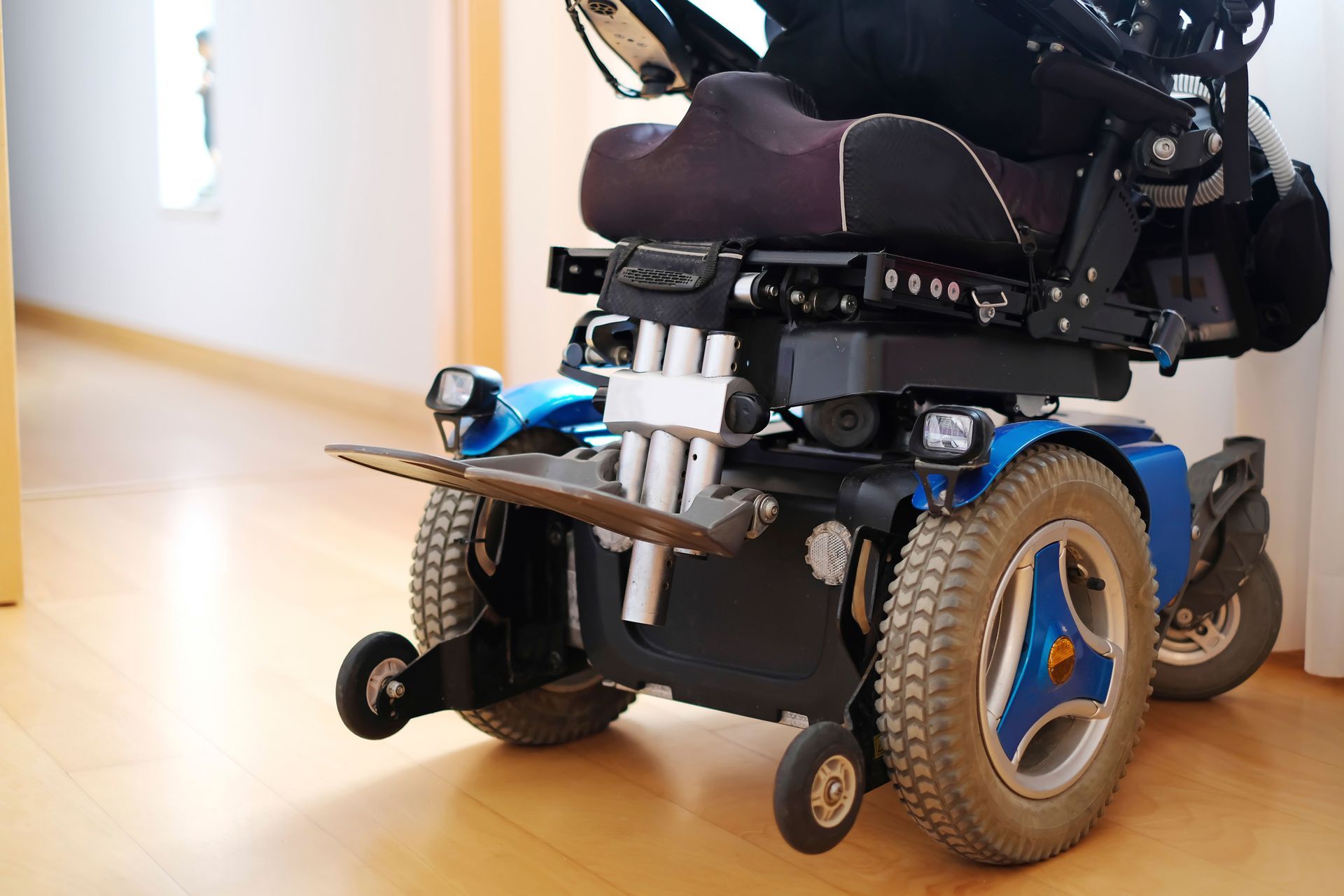
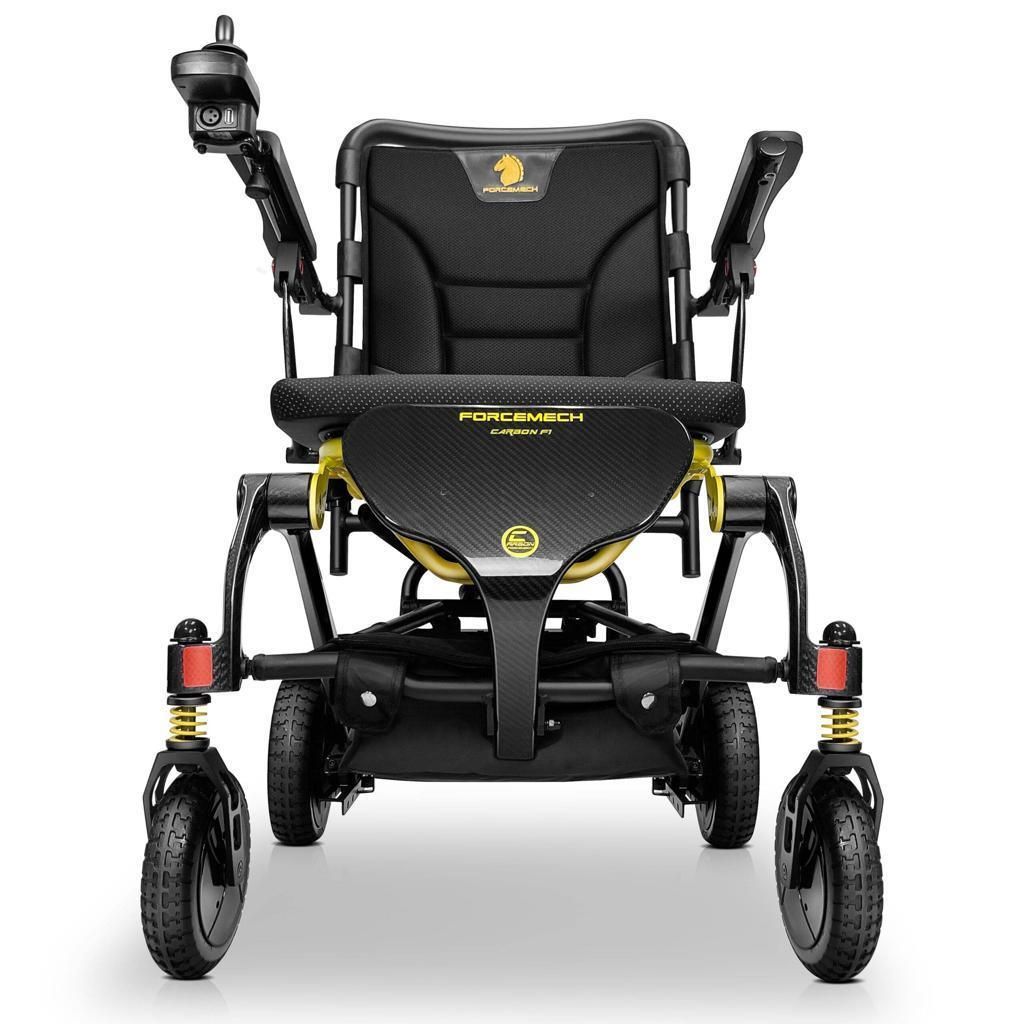
Not every user possesses the upper-body endurance required to push manually up steep hills, across thick carpets, or over long campus distances. Power-assist wheels and lightweight motorized attachments clip directly onto manual frames, adding motorized boost whenever the user pushes the hand rims. For individuals needing full-time motorized mobility, compact mid-wheel, front-wheel, or rear-wheel drive power bases offer intuitive joystick controls, programmable speed profiles, and extended battery range. Evaluating power options early ensures users preserve shoulder health and maintain active community participation without exhausting themselves halfway through errands.
Verifying Warranty Coverage, Maintenance Access, and Replacement Parts
Even the most carefully engineered mobility equipment experiences routine wear on tires, bearings, wheel locks, and seat upholstery over years of daily use. Before finalizing any purchase, buyers should examine manufacturer frame warranties, check local repair technician availability, and confirm how easily standard replacement parts can be sourced. Chairs built with universal fastener sizes and modular components allow quick local tune-ups without waiting weeks for proprietary factory shipments. Prioritizing dependable serviceability protects your financial investment and keeps essential mobility equipment rolling safely day after day without disruptive downtime.
Choosing the right mobility chair requires balancing anatomical fit, frame weight, wheel performance, and everyday transport needs rather than focusing on appearance alone. From lightweight titanium or aluminum frames and pressure-relieving cushions to adjustable axle positions and swing-away footrests, every feature contributes directly to comfort and independence. Checking regulatory safety classifications and long-term maintenance support further ensures dependable performance across years of active daily use. Taking time to consult mobility specialists and test-drive properly sized configurations empowers every user to move safely, comfortably, and confidently wherever life leads.
Are you seeking assistance with wheelchairs in Houston, TX, and the surrounding areas? At Texas Medical Supply, we offer equipment for purchase and rental, as well as repairs. Contact us today for more information.