Deciding whether to buy a wheelchair or utilize wheelchair rentals involves careful thought. This choice directly impacts your budget and overall quality of life. According to Dimension Market Research, approximately 13.7% of adults in the U.S. experience mobility challenges, and millions rely on aids like canes, walkers, or wheelchairs, highlighting a substantial and ongoing demand for effective mobility solutions. Depending on individual circumstances, acquiring the right aid affects personal independence and accessibility to daily activities. By examining financial factors, frequency of use, and lifestyle needs, you can arrive at a decision suited to your unique situation. The following breakdown details the specific factors you should consider to determine the ideal path for your mobility journey.
Moving With Manual, Electric, and Heavy-Duty Wheelchairs
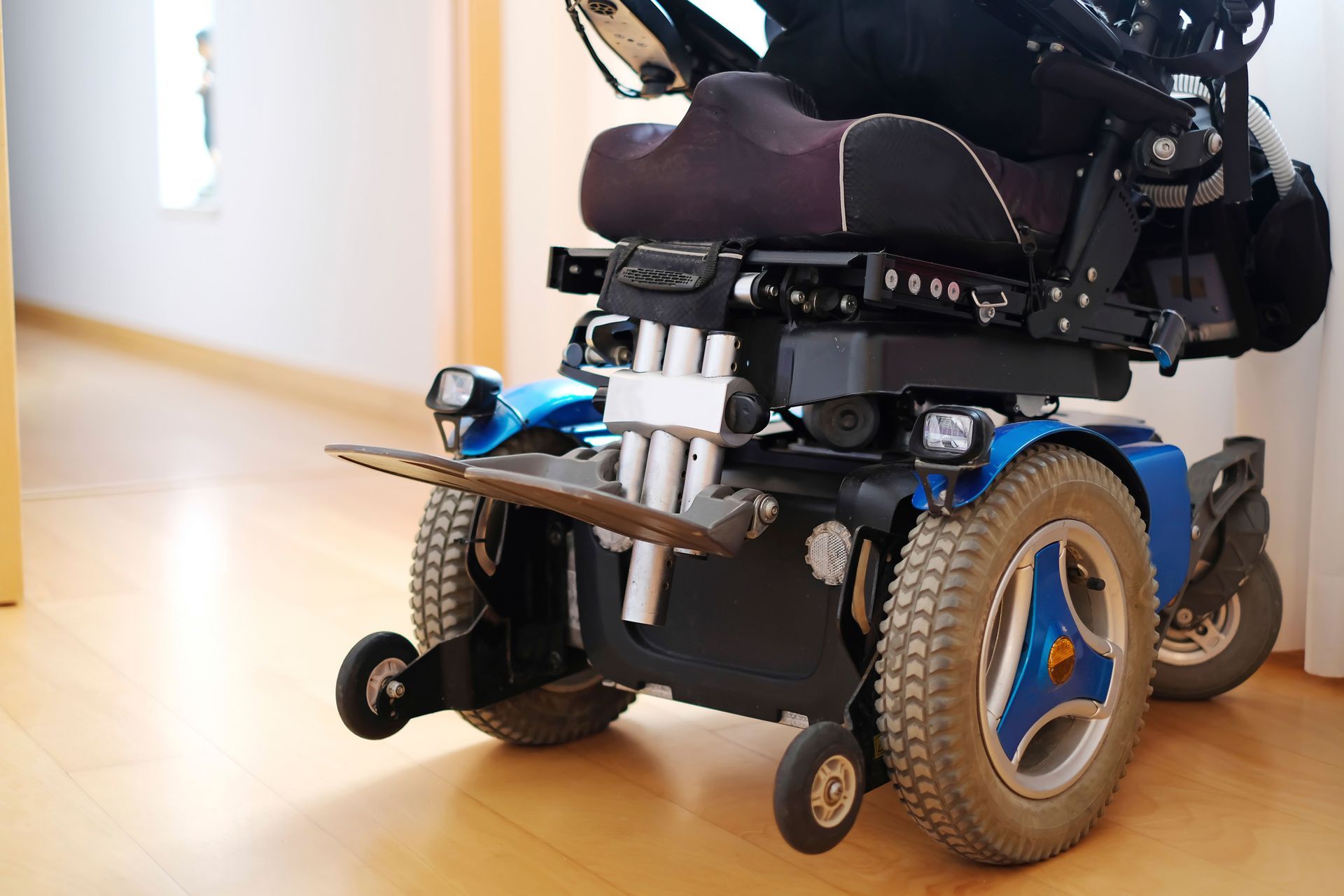
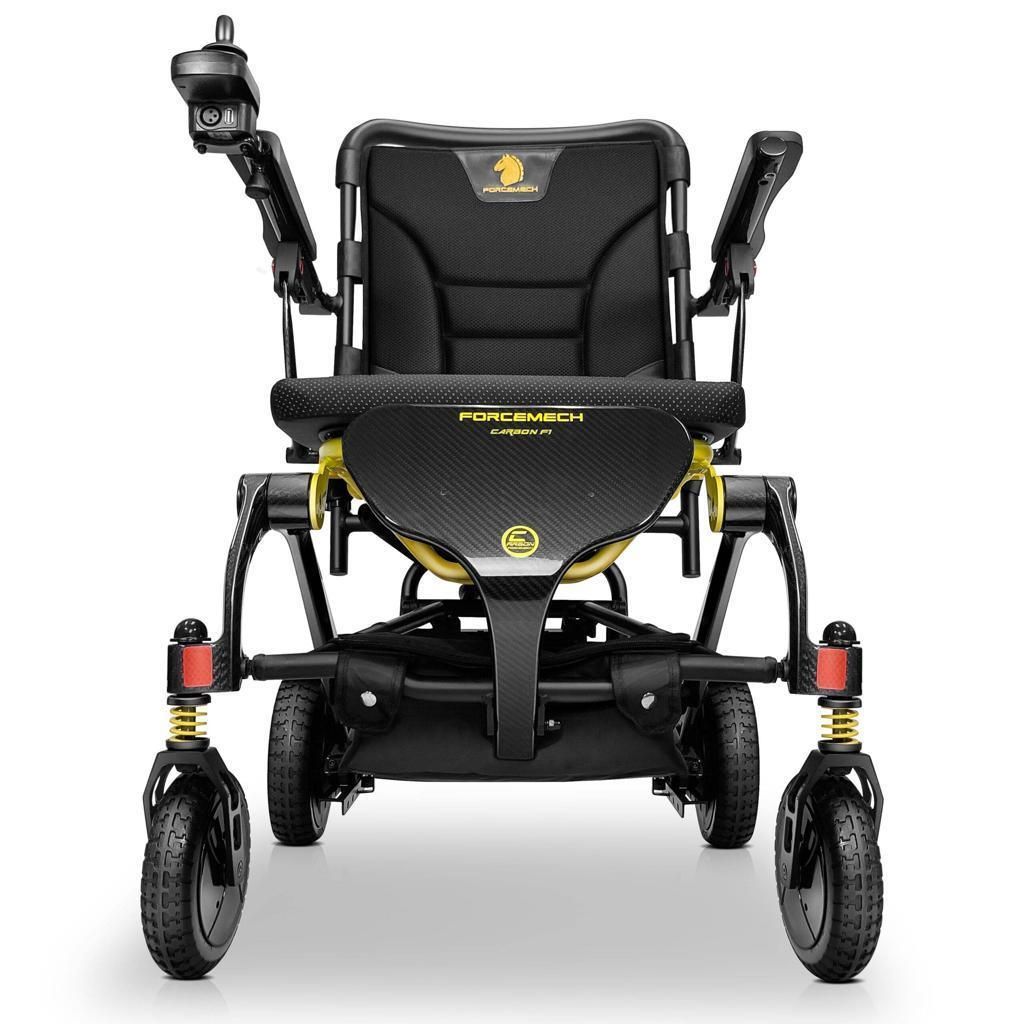
Evaluating available options is essential. Manual wheelchairs are popular for individuals with sufficient upper body strength who want a cost-effective solution. Electric wheelchairs cater to those who lack the strength for manual options due to severe physical limitations, providing independence over longer distances. However, they require regular charging and cost more. Lightweight wheelchairs cater to individuals who prioritize efficiency, enhancing maneuverability for users and caregivers. Heavy-duty wheelchairs support individuals who require enhanced durability and a higher weight capacity. While heavy-duty models are less portable, they serve as reliable options for daily operation.
Accommodating Specific Needs With Customized Wheelchairs
Customized wheelchairs serve users with particular conditions or environments in mind. They offer tailored solutions for various disability requirements. These include sports models designed for agility and beach models with oversized wheels for sandy terrain. People with specific medical requirements might require chairs with custom seating or adaptable controls. Identifying a provider familiar with these models enhances the customization process, allowing individuals to engage in numerous activities otherwise limited by traditional chairs.
Assessing Upfront Costs and Comparing Rental Plans
The initial cost of purchasing a wheelchair varies widely based on the model and customization needed. Manual options might start at a few hundred dollars, while high-end electric models can run into several thousand dollars. Buyers should factor in additional costs for necessary accessories to ensure complete functionality. Conversely, using wheelchair rentals presents an alternative for people who prefer not to commit to a large upfront investment. Rental agreements involve monthly payments that remain manageable for those with temporary needs. These rental plans often cover routine maintenance and repairs, reducing unexpected out-of-pocket expenses. However, relying on wheelchair rentals for an extended period might surpass the total purchase price of a standard model. Comparing rental options and acquiring a clear understanding of contractual obligations is an important step.
Navigating Insurance Coverage and Reimbursement Policies
Insurance coverage significantly affects the affordability of securing a wheelchair. Many health insurance plans cover a portion or the entirety of these costs under specific conditions. Consumers should consult their providers to understand the prerequisites for reimbursement, such as medical necessity documentation. Navigating through coverage details and co-pays demands careful thought to facilitate better financial planning and resource allocation.
Analyzing Long-Term Cost Implications and Financial Assistance
Considering Long-Term cost implications is essential for making an informed choice. Ownership costs include routine maintenance, repairs, and potential upgrades that accumulate significantly over time. Potential savings from ownership might outweigh renting in scenarios involving consistent usage. Access to financial assistance through grants or tax benefits can ease the costs associated with acquiring a mobility device. Various government programs provide funding for individuals with disabilities, promoting greater accessibility to mobility aids.
Evaluating Short-Term Needs and Temporary Recovery Periods
For those seeking a solution to accommodate short-term needs, such as recovering from surgery, wheelchair rentals might provide the most practical solution. Temporary use rarely justifies the expense of purchasing a new unit outright. Many providers offer flexible short-term agreements that cater to the transitional nature of physical recovery. It minimizes the burden of managing or storing a wheelchair once you regain full mobility, mitigating the financial strain during convalescence.
Considering Long-Term Usage and Permanent Lifestyle Changes
Long-Term usage patterns are a crucial determinant when deciding between options. Purchasing affords greater control over customization without recurring monthly fees. It is typically the economical decision for those who anticipate indefinite daily use. Permanent lifestyle changes necessitating sustained mobility support often tilt the decision in favor of full ownership, making it a worthwhile investment for individuals facing lasting physical changes.
Managing Seasonal Requirements With Short-Term Options
Individuals with mobility needs that fluctuate seasonally or intermittently often find great value in wheelchair rentals. Certain conditions might require assistive devices only part of the year. This approach allows easy adjustment to changes in mobility needs without enduring the costs of permanent ownership. Providers often have specific options catering to adaptive patterns, benefiting those with seasonal requirements. Choosing a program that aligns with these unique timelines demands thorough exploration.
Performing Maintenance and Managing Repair Costs
Owning a wheelchair entails responsibilities regarding routine maintenance to ensure functional longevity. Regular checks for tire pressure, brake efficiency, and movable parts lubrication ensure optimal safety. Neglecting maintenance can escalate future repair costs and affect overall reliability. Managing repair costs is an integral aspect of ownership since components such as motors are costly to replace if unmaintained. Most new wheelchairs come with manufacturer warranties that offer a safeguard against manufacturing defects for an initial period. Understanding the extent of support aids informed decision-making. In rental arrangements, service support often exceeds standard warranties since regular adjustments are bundled into the monthly cost.
Choosing Reliable Providers and Accessing Replacement Parts
Easy access to replacement parts is vital for both rented and owned units. Owners should research parts availability and cost for their intended model. Rental services generally provide swifter part replacements through established service network agreements. Consumers should vet providers based on their reputation and the quality of after-sales support to ensure seamless servicing and prompt responses to maintenance inquiries.
Assessing Mobility Requirements and Planning Travel
Understanding personal mobility requirements is crucial before acquiring a wheelchair. Considerations include daily distance traveled, terrain types, and indoor versus outdoor usage. Users must assess measurements like doorway widths and ramp provisions to ensure home compatibility. Transportation and travel considerations are also paramount. Light, folding designs suit frequent travelers or those reliant on public transit systems. Utilizing wheelchair rentals conveys travel convenience without lifetime baggage, especially for infrequent trips requiring complex logistics. Conversely, owning supports personalization while familiarizing you with predictable transit integration. Identifying frequented travel modes guides model adjustments to support seamless engagement.
Prioritizing Comfort With Adaptability Features
Comfort and adaptability dictate usage satisfaction and Long-Term suitability. Key features to consider include cushioning, back support, adjustable armrests, and customizable controls. Extended use should not compromise posture or cause physical strain. Personal preference might necessitate consulting mobility professionals or completing trial experiences to ascertain the harmonious blend of comfort and functionality. An informed focus on these aspects facilitates optimal solutions conducive to inclusive activity participation.
Fostering Independence and Maintaining Social Life
The choice you make closely impacts the psychological aspects of independence. Ownership fosters a sense of control, aligning with those who cherish self-reliance. Conversely, rental arrangements may feel transitional. Decision repercussions on your social life should not be underestimated. Finding the right aid fosters involvement in community events. Taking advantage of wheelchair rentals relieves budget stress while opening access to spontaneous activities without a lengthy commitment. Owning unlocks customized participation freedom across diverse hobbies. Navigating stigma also challenges people throughout the decision-making process. Addressing these perceptions with customized choices affirms positive inner identities. Owning manifests confidence through personalized statements, while rentals embrace diversity in visibility across various demographics. Individuals derive peace of mind from products resonating with their desired attributes, empowering users to reconcile individual preferences within their unique contexts.
Both renting and buying a wheelchair come with their own sets of benefits and drawbacks. Understanding your financial situation, lifestyle, and personal preferences will guide you toward the ideal outcome. At Texas Medical Supply, we are dedicated to helping you navigate these critical choices by offering a comprehensive range of premium mobility solutions. Our team provides access to diverse inventory – from manual and electric models to short-term wheelchair rentals tailored entirely to your specific circumstances. Whether you need a temporary device for post-surgery recovery or a permanent custom chair, we invite you to explore the medical equipment and rental options available at our facility. Reach out to us today to secure the mobility aid that amplifies your independence and comfort.